Executive Director's Blog
What's in the Proposed Head Start Rule, and What I'm Asking of You
By Julie Stone | August 17, 2026 | Dayton, OH | Awareness
August 6, 2026 was one of the most consequential days in Head Start's history. That's when HHS released a proposed rewrite of the Head Start Program Performance Standards. I want to walk through what the proposal says, what it would mean for children and families, and what you can do.
To be clear, nothing changes for programs today – classrooms are open and they are doing the work of preparing children for success in school and life. Any final rule remains months away, and we have a 60-day public comment period, ending October 6, 2026, to make our voices heard.
What's at Stake
Staffing and classrooms. Teacher-child ratios and group size requirements would largely disappear in favor of state child care licensing, which allows far more children per adult. Classrooms could get bigger. Children could get less individual time and attention.
Health and safety. Staff training on preventing abuse and neglect, and constant supervision of children, would no longer be required.
Comprehensive services. Developmental screenings and medical and dental home requirements would disappear. For many families, Head Start is the only place a vision or hearing problem gets caught early, when intervention makes the biggest difference.
Family voice. Parent committees become optional, and the safeguards that protect parent input when a Governing Board disagrees would be gone.
Funding. The administrative cost cap would drop from 15 percent to 5 percent, a bar only 3.7 percent of grantees nationally currently clear. Something will have to give.
Why I'm Not Sitting This One Out
Over the years, I've watched Head Start standards translate into real outcomes for real children in every one of Ohio's 88 counties. I know what's behind each requirement in this proposal, because I've seen what happens when it's followed and I've heard what happens when it isn't. Head Start has worked for Ohio's kids and families for more than sixty years, and I'm not letting these standards get rewritten without a fight from the people who know this program best. But that fight needs voices well beyond our own community.
Head Start has never been a partisan issue, and I don't intend to let it become one now. Republican and Democratic administrations alike have funded and championed this program for six decades, because helping a child arrive at kindergarten ready to learn isn't a red or blue idea. I'm asking Ohio's elected leaders on both sides of the aisle to visit a Head Start classroom, talk to a teacher, talk to a parent, and see for themselves what these standards look like in practice before this proposal moves forward.
What I'm Asking of You
You don't need a direct connection to Head Start to make a difference.
Get to know Head Start. Visit a classroom. Ask a Director in your county to walk you through a typical day.
Talk about Head Start. Tell a neighbor, a coworker, a community leader, your representative. Support for Head Start only holds if people keep making their voices heard on its behalf. Finally, Make Your Voice Heard. OHSAI encourages parents, educators, pediatricians, business leaders, community partners, and elected officials across Ohio to review the proposal and submit a comment in your own words, drawn from your own experience with Head Start. We'll be sharing updates and guidance in the coming weeks, because every voice will matter. Sign up for alerts from OHSAI.
Sixty days will pass whether we use them or not. This is our opportunity to make sure the people determining the final rule understand what Head Start means to Ohio's children, families and communities. I'm asking you to use it.
The People Who Make Head Start Work
By Julie Stone | July 22, 2026 | Dayton, OH | Committment There is a version of Head Start that lives in reports and funding tables, measured in enrollment numbers and outcome data, and that version matters because it is how we make the case to the people who determine our future. But there is another version that only exists in classrooms, in home visits, in the quiet moments before a bus arrives or after the last family has left for the day - that version belongs entirely to the people who do this work.
I've had the privilege of spending more than thirty years around Head Start, and what I’ve learned is this: the strength of this program has never come from its buildings, its regulations, or even its funding. Its strength has always been the people who choose this work. Year after year, I’ve watched teachers, family advocates, bus drivers, cooks, and directors quietly carry extraordinary responsibility fueled by their dedication to the children, families, and communities they serve.
Head Start runs on teachers who arrive early to make a classroom feel safe before a single child walks in, on family advocates who sit with a parent through a hard conversation, on bus drivers who learn every child's name and notice when someone seems a little quieter than usual, on cooks who plan meals carefully around a child's allergies, and on directors who carry the weight of an entire program, staff, budget, and families. That weight is truly the infrastructure of this program, far more than anything written into a regulation.
Thirty years has also taught me that those who do this work are not chasing recognition, which is no accident or a coincidence of personality. I have come to understand that it is rooted in the same conviction that built this program over sixty years ago: that every child deserves someone in their corner from the very beginning.
Watching this workforce has also taught me what OHSAI’s message actually means in practice, beyond the words we use to describe it. When we say Head Start works for Ohio's economy, we mean the family advocate who helped a mother keep her job by helping her navigate a crisis at home. When we say it works for families, we mean the teacher who noticed a child was struggling before anyone else did, and who treated that child's whole family as part of their responsibility. When we say it works for communities, we mean the director in a small, rural county who kept a program open through a funding gap because their community had nowhere else to turn. Economy, families, and community are not abstract ideas to me anymore. They are this workforce, doing the same work in every one of Ohio's 88 counties, day after day.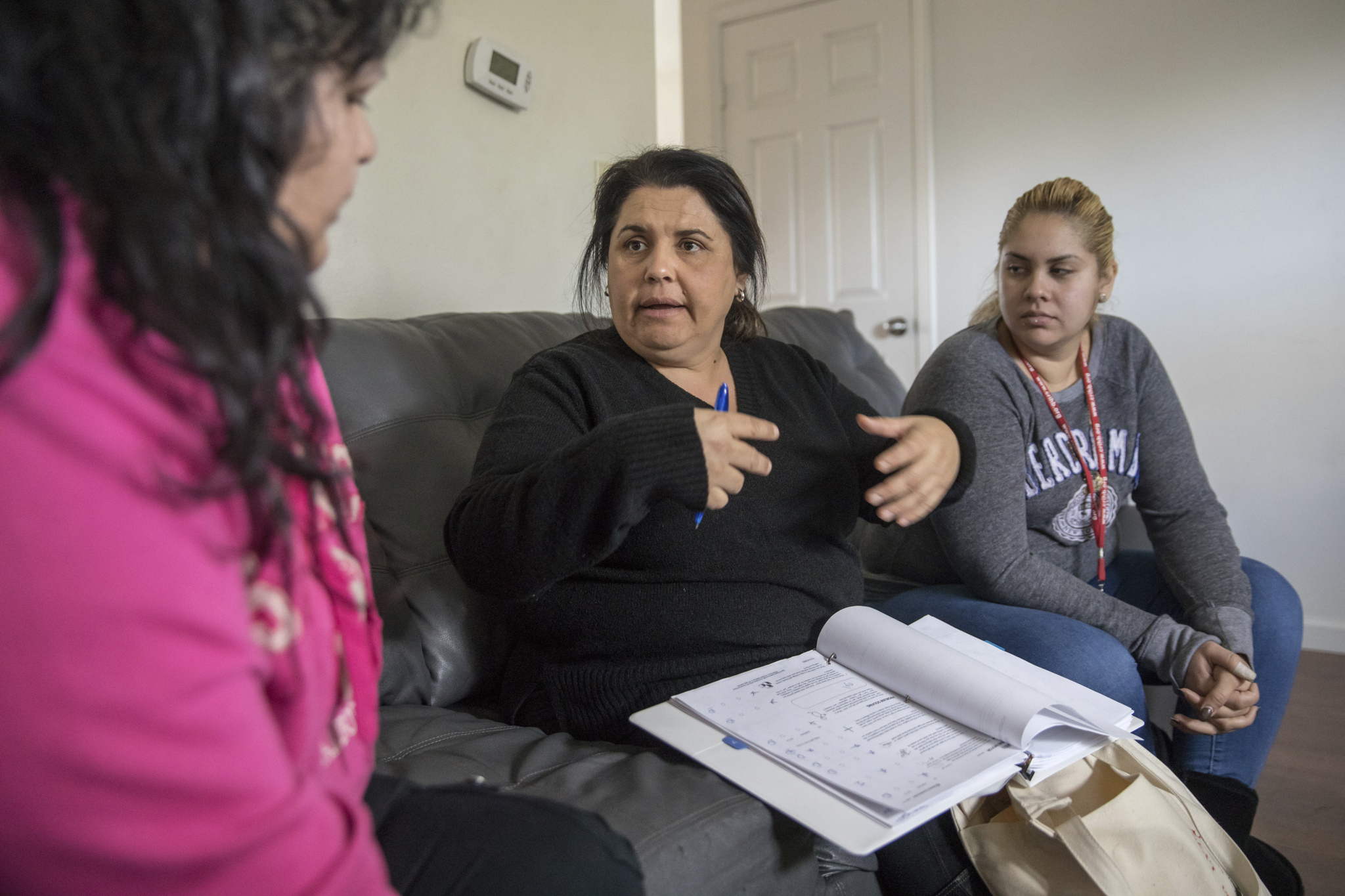
If there is a single lesson thirty years has given me above all others, it is this: commitment like this cannot be manufactured, and it cannot be mandated. Teachers stay when the work gets hard because they cannot imagine leaving the children who depend on them. Directors keep programs running through funding glitches and staffing shortages because their communities had no other option and they refused to let them down. I used to think that kind of commitment was simply good fortune for this field. I now know that it is the truest measure of what makes Head Start work, and I know that Ohio's programs are as strong as they are because of the professionals who staff them.
So to every teacher, aide, family advocate, bus driver, cook, custodian, nurse, and director across Ohio's 88 counties: thank you. Thank you for the early mornings and the late nights, for the patience you give children and families who need it most, and for choosing, every single day, to show up for work we too often take for granted. Head Start works for Ohio because you make it work, one classroom, one home visit, and one child at a time.
You are the foundation this program has stood on for sixty-one years, and thirty years of watching you build it has convinced me it will carry us well into the future.
A Legacy Built for this Moment
By Julie Stone | June 17, 2026 | Dayton, OH | Enduring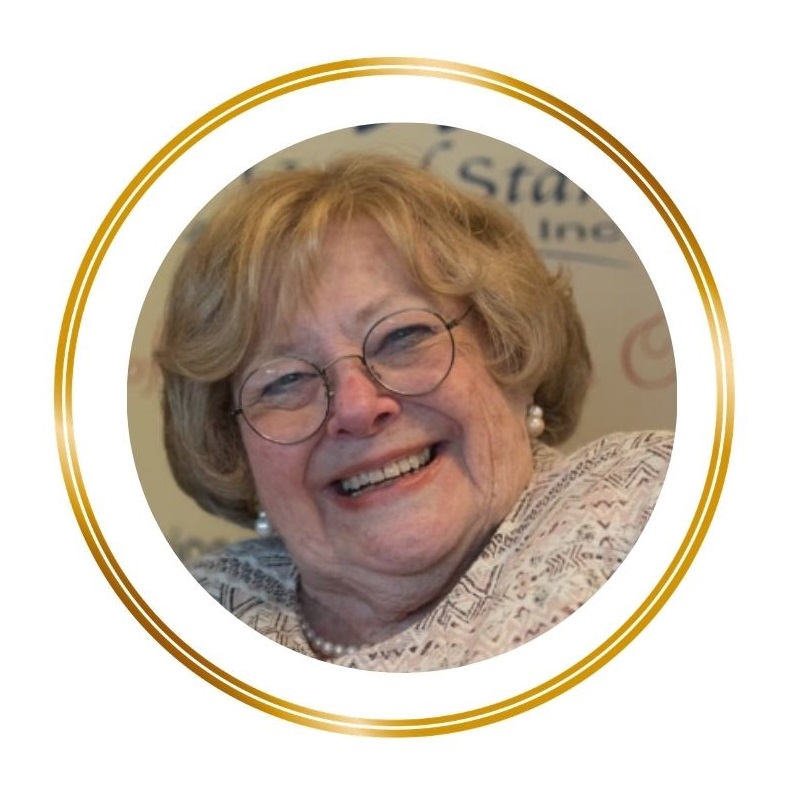 I have been thinking about Barbara Haxton a great deal lately, and not only because the grief is still fresh. I have been thinking about her because of the moment we are in - because the policy environment surrounding Head Start is uncertain in ways we have not experienced before, and because when I look at how Ohio’s Head Start community is responding to that uncertainty, I see her everywhere. I see her in the relationships she cultivated across decades, in the organizational infrastructure she built so carefully, in the standard she set for how this work is supposed to be done. Barb is not here to navigate this moment with us, but she prepared us for it.
What Barb built is exactly what Ohio’s Head Start community needs in this particular moment, because the relationships and the trust and the sense of shared purpose she spent decades cultivating are precisely the kind of foundation that allows programs to face real uncertainty without facing it alone, and as I step further into this role I find myself leaning on that foundation constantly, drawing on relationships she built with state and federal partners long before I ever sat in this chair, and striving every day to be worthy of what she left in my hands.
The June Leadership and Professional Development Conference gave us the opportunity to honor her publicly, and to carry her forward in a way I trust she would appreciate.
The tribute to Barb at Thursday’s luncheon was something I considered carefully. I wanted to honor what she built, and I wanted the people in that room who loved her to feel seen alongside the people who only knew her by reputation. Barb was many things to many people - a mentor, a strategist, an advocate, a presence - and any tribute worthy of her had to make room for that fullness.
Hearing Haxton Leadership Award recipients Christine Malloy, Peg Tazewell, and Stefanie Drew speak about Barb in their own words was exactly the right choice. Their reflections were specific, warm, and true to who she actually was, and they served as testimony from people who worked alongside her and were shaped by her. I am grateful to each of them for the care they brought to that moment.
I have work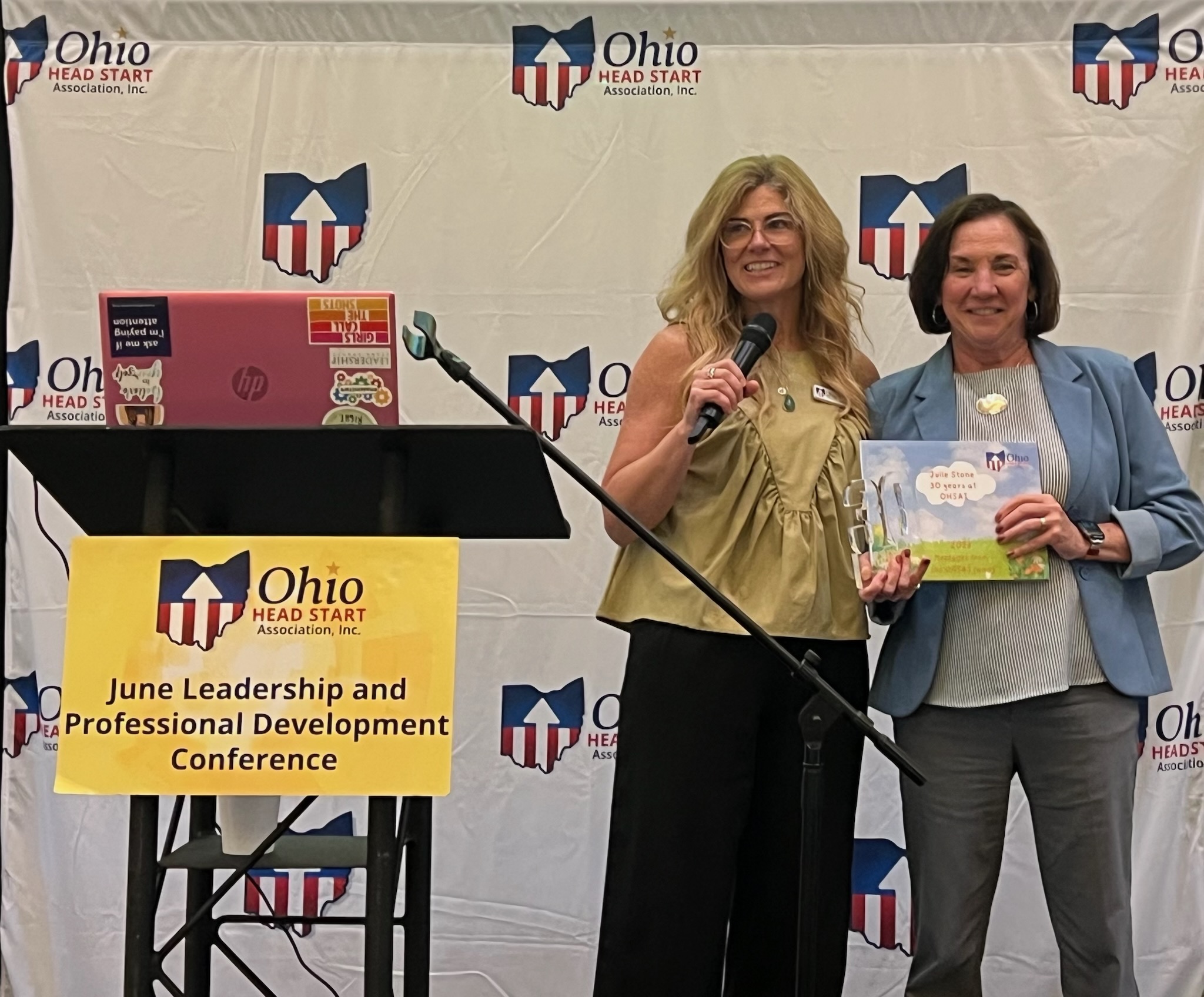 ed at OHSAI for thirty years - for twenty-five of those years I worked beside Barb. She modeled for me, and for so many others, what it looks like to lead a statewide association masterfully, with genuine care for the programs and people it represents, and with a kind of patient persistence that never mistakes urgency for impatience. She had a gift for seeing what mattered most in a complicated situation and for holding the long view even when the short view was pressing. I carry her with me in this work every day, and I always will. I try to lead with that same instinct now, especially in the moments when the easier choice would be to react to whatever is loudest rather than hold the longer view she taught me to protect.
When Office of Head Start Director Lizbeth Casco White visited Cincinnati program sites and met with the Ohio Department of Children and Youth on Monday, and then engaged with Head Start Directors at the conference on Tuesday, I thought about how much Barb valued exactly that kind of direct federal relationship - the kind built on genuine presence and genuine listening. She understood that the relationships between programs and federal leadership were part of the infrastructure of Head Start, and she tended to them accordingly. Watching that relationship unfold in real time strengthened my own resolve to keep building those federal connections with the same intention she did, because the work of being known and trusted by the people who set this field’s direction is never-ending.
When the parents gathered to speak with Director White on Tuesday - sharing their gratitude, their worry, and their fierce clarity about what Head Start has meant to their families - I thought about how Barb always insisted that parent voice be centered, not as a programmatic requirement but as a genuine expression of who Head Start exists to serve.
And when I looked out at the participants - staff who carry the weight of multiple systems and multiple needs every day, showing up anyway, bringing their honest experience into every session - I thought about the years Barb spent building a professional development infrastructure in Ohio that took those people seriously, that treated their growth as something the field owed them.
The policy environment is not getting simpler. The people who attended this conference know that, and they are navigating it with a kind of determination that I find both humbling and sustaining. OHSAI’s role is to be the connective tissue for this community: to make sure programs aren’t facing federal uncertainty alone, to bring the right people into relationship with each other, to surface the work being done in Ohio classrooms and homes, and to make sure it is seen by the people with the authority to protect it.
I am fortunate to see this work from a vantage point most people in the field do not get to occupy, engaging in state, regional, and national conversations, and speaking with directors who are wrestling with uncertainties. What I am seeing right now is a field that is more strained than it has been in years, yet more resourceful, with directors finding creative ways to hold their programs together even as the ground keeps shifting beneath them. That combination of strain and resourcefulness is exactly why the connective work Barb built into this organization matters now more than ever.
That is the work Barb gave her career to, and it is the work I am committed to continuing. For me, that means showing up in the rooms where decisions about this field are being made, telling Ohio’s story with the specificity it deserves, and making sure no director feels like they are navigating this moment alone.
I am grateful for the staff who made this conference happen, for the presenters who gave so much of themselves, and for every participant who showed up fully. And I am grateful, still, for Barb - for what she built, for what she modeled, and for the twenty-five years she let me learn alongside her.
The challenges ahead are real - I won’t pretend otherwise - but the conference left me with a clear sense of just how much commitment, resilience and quiet persistence exists in Ohio’s Head Start community right now, and that strength gives me real confidence that whatever comes next in this policy environment, we will face it the way Barb taught us to, together, with our eyes open and our resolve steady.
Protecting Head Start Begins with an Open Door
By Julie Stone | May 14, 2026 | Dayton, OH | Visibility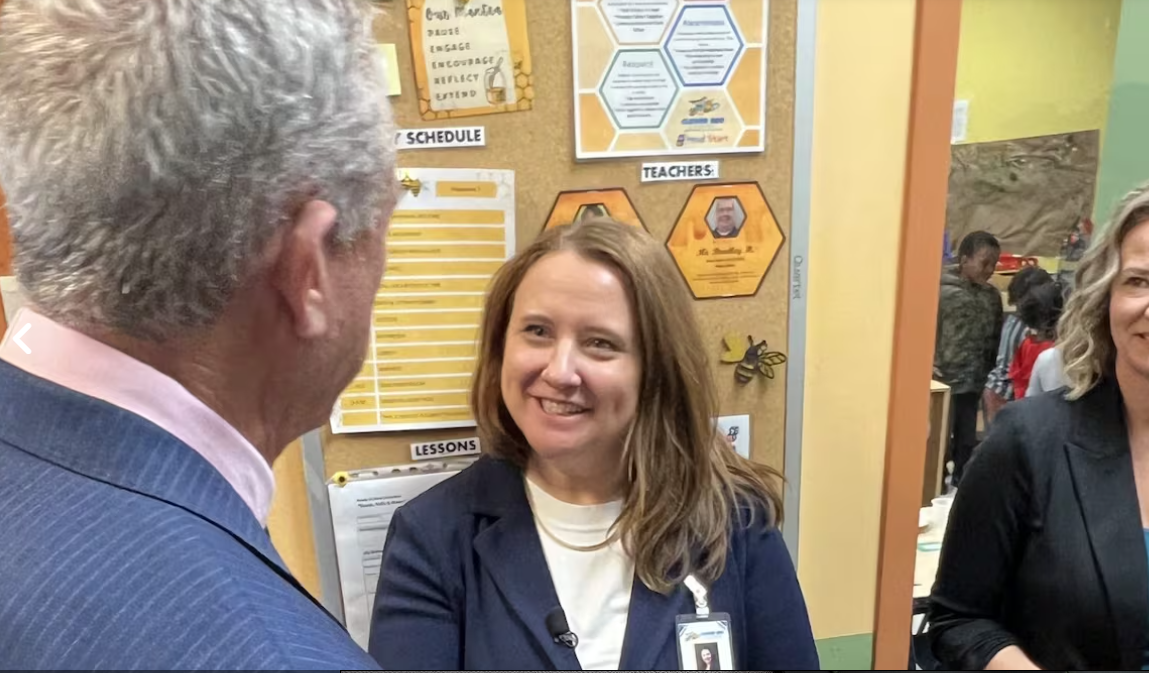 Last week, something important happened in Toledo.
At Clever Bee Academy, leaders, teachers, parents, and children welcomed Robert F. Kennedy Jr. and Assistant Secretary Alex Adams into their Head Start program. What they experienced was more than a visit - it was a clear, firsthand look at what Head Start delivers for children and families every day.
They saw classrooms where children are engaged and supported.
They met teachers who know their students and their families.
They saw how education, health, nutrition, and family support come together in one place.
That kind of understanding doesn’t come from a headline or a report - it comes from being there.
These Moments Matter
Head Start is often discussed in policy conversations, budget debates, and headlines, but those conversations cannot fully reflect what the program actually looks like on the ground.
That’s why moments like this matter.
When policymakers spend time inside a program – when they sit with children, talk with staff, and hear directly from parents – the conversation changes. It becomes more informed. More grounded in reality. And ultimately, more aligned with what children and families actually need.
But those moments don’t happen on their own. They happen because programs are willing to open their doors.
Making the Work Visible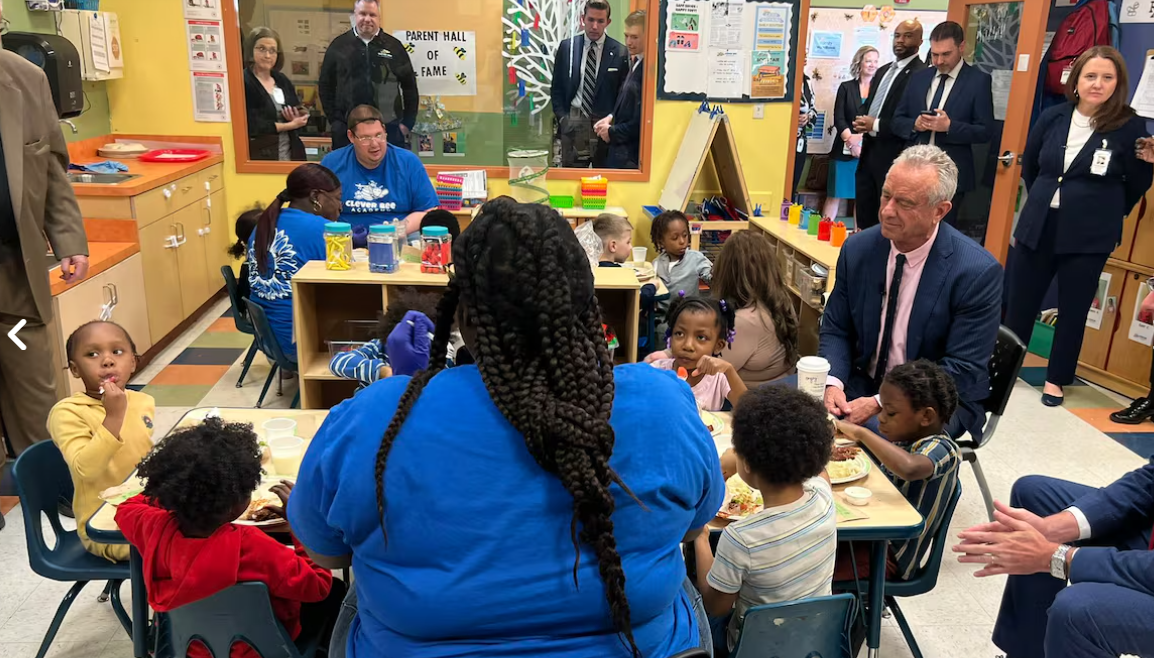
What Katie Maccagnone and her team did was not just host a visit.
They made the work visible.
They connected federal policy decisions to real children and real families. They showed the depth of what Head Start provides – not just early learning, but stability, trust, and support for the whole family.
That is what effective policymaker education looks like.
A Message to Our Community
Every Head Start program has a story like this.
And every program has a role to play in helping policymakers understand the value of this work.
We cannot assume that decision-makers fully understand what Head Start does or why it matters. It is up to us to show them – frequently, and clearly and consistently.
That means:
Inviting policymakers into your programs
Creating opportunities for them to hear directly from staff and families
Connecting what they see to the policy decisions being made
These are not extras. They are essential to protecting and strengthening Head Start.
Need help getting started? Click here to access OHSAI’s guide to hosting a visit. Have questions or need more assistance? Contact Amanda Yancey at OHSAI – yancey@ohsai.org.
Moving Forward
We are incredibly proud of the team at Clever Bee Academy for representing Ohio so well. You showed what the work of Head Start looks like every day – and why it matters.
Now we build on that momentum.
We keep opening our doors.
We keep telling the story.
And we make sure that when decisions are made about Head Start, they are informed by what policymakers have actually seen and experienced.
Because when they see and feel it for themselves, it’s harder to misunderstand—and harder to overlook.
Planting Acorns in a Storm
By Julie Stone | April 20, 2026 | Dayton, OH | Perseverance
 Earlier this month, Dr. El Brown spoke at our virtual OHSAI event and introduced us to the Acorn Story and I’ve been thinking about it ever since. She reminded us that we are the stewards of small beginnings, entrusted with children full of possibility who carry the power to shape a future we may never see. She reminded us that our responsibility is to see them beyond their circumstances and to engage in ways that empower them to grow. And she reminded us that what we plant today lives on beyond us - that each word we speak, each choice we make, becomes part of the soil of generations.
Sitting in that zoom, I was struck by something beyond the beauty of the words themselves. I was struck by who was in the ‘room’ - Directors, educators, family advocates, parent leaders, partners - people who have just come through one of the hardest years this community has ever faced, and who showed up consistently through all of it. The adversity of 2025 revealed Ohio’s Head Start community as something deeper and more durable than any single funding cycle or political moment. It also demonstrated how truly foundational Head Start is to Ohio’s Early Care and Education ecosystem. That matters especially right now: when Head Start faces funding uncertainty, the disruption does not stop at the program’s door - it ripples outward through every other provider, every family on a waiting list, and every community that has built its early childhood capacity around Head Start’s presence.
Head Start powers Ohio's workforce. When a parent drops their child at a Head Start center in the morning, they are not only giving their child a gift - they are also receiving one, in the form of the workforce participation support and economic stability that quality, affordable care makes possible. Behind the enrollment numbers are tens of thousands of working parents who are able to earn a paycheck, contribute to their communities, and build a stronger foundation for their families. Every dollar put into Head Start returns an economic benefit realized through stronger school readiness, reduced need for remediation, and greater earning potential in adulthood. That is the oak tree Dr. Brown described - the one that begins as a small and seemingly unremarkable seed and grows into something that shelters everyone around it.
Head Start strengthens families. Dr. Brown's story speaks of a two-generation responsibility, which is precisely the design of Head Start. We don’t serve children in isolation from the adults who love them - we serve whole families, building the kind of stability that allows both children and parents to grow. Head Start isn't just preschool - it is health, stability, and opportunity for each person it touches.
Head Start anchors underserved areas. One of the things Dr. Brown's story captures so well is the idea of legacy - of planting something in a place, and for a commu
 nity, that will outlast any single season or any single challenge. Head Start does this in communities across all 88 Ohio counties, including the rural and Appalachian communities where it is frequently the only affordable early childhood option that exists. Throughout Ohio, Head Start is not just a service - it is an anchor. And in many of those rural and Appalachian communities, it is the only anchor — which means that cuts or closures do not reduce options so much as eliminate them entirely, leaving families with nowhere else to turn and communities with a gap that no other institution is positioned to fill. It is a signal of each community’s commitment to what children deserve, which is equity in its most concrete and consequential form.
Dr. Brown's closing words are ones I want to carry into every legislative meeting, every community conversation, and every moment of advocacy I undertake: together, we create the conditions for children to grow strong, stand tall, and one day return as shelter, shade, and service for those who come next. Ohio's Head Start community has been doing exactly that - through uncertain seasons and moments that tested whether the roots would hold. That is precisely why Head Start works. The acorns don't wait for better weather. Neither do we.
Data-Driven Collaboration for Stronger Families and Communities
By Julie Stone | March 11, 2026 | Dayton, OH | Data & Collaboration
One of the things I value most about working with Head Start programs across Ohio is the people.
I see Directors solving problems in real time. I see teachers building trust with families facing extraordinary pressures. I interact with staff who keep showing up for children because they believe in the impact of their work and in the difference it makes every day.
The recently released Head Start Collaboration Office Statewide Needs Assessment reflects and honors this spirit. As Collaboration Office Director, Lori Perkins partnered with OHSAI; her thoughtful leadership and steady partnership helped ground this work in both statewide perspective and local reality. The Collaboration Office understands what programs are navigating every day, and that made this process stronger at every step. We wanted to take an honest look at what children, families, and programs are experiencing across Ohio and what it means for our shared work moving forward. The findings confirm what many of us already know from experience: Head Start Works for Ohio.
What the Data Shows Across Ohio
Head Start and Early Head Start collectively serve thousands of families across Ohio, providing early learning, parental support, health screenings, and connections to community services in all 88 counties. According to this assessment, some communities are seeing growth and new opportunity. Others are facing economic pressures, workforce shortages, and health challenges that make progress harder for families. That matters because children do not experience policy in theory; they experience it in the conditions of their communities, their housing stability, their access to health care, and their family’s economic security. What is consistent across communities is the role Head Start plays as a steady anchor for families. In some places, it is the only accessible early learning option for low income families. That impact goes far beyond early education. Head Start helps parents stay employed, supports children’s development, and strengthens communities, and those themes show up clearly in both the stories and the data.
The Workforce Reality
Another clear takeaway is something our members have been saying for a long time. The early childhood workforce is under real pressure. Programs are managing staffing shortages, compensation gaps and rising costs while continuing to meet rigorous federal performance standards and delivering measurable outcomes for children and families. The dedication of teachers and staff is extraordinary, but dedication alone cannot sustain a system. If we want strong outcomes for children, we must invest in the adults who make those outcomes possible. That connection is clear and central to everything we do.
Why Collaboration is Central
The Assessment reinforces something Head Start leaders already understand well. Families do not experience life in separate systems. When systems work together, families feel supported. When they do not, families feel the gaps. Head Start programs function as conveners and connectors, bringing partners together around children and families. That role is especially important in rural and underserved communities where collaboration makes a real difference. And, that role is central to the Department of Children and Youth’s goals of reducing infant mortality, decreasing foster care entry, and increasing kindergarten readiness. Alignment across systems is not optional if we really want to move the data. When systems are coordinated, results follow.
How the Assessment Guides Our Work
The Assessment gives us something invaluable: clarity. As we continue conversations with policymakers and community leaders, our approach remains simple and consistent. We share stories that make it real, we share facts that make it local, and we are clear about what programs need, always coming back to the central message – Head Start Works for Ohio.
Moving Ahead Together
I am proud of the partnership behind this work, and I am proud of the leaders across Ohio who champion children and families every day. The Assessment is not an endpoint. It is a guidepost. It reminds us that strong federal policy and strong state alignment both matter, and it reminds us that lived experience and data must inform one another. More than anything, it reminds us that we are strongest when we move forward together, with shared purpose and a consistent voice.
When we share our stories and our data, we are not only showing what works in Ohio, we are contributing to a larger national conversation about what children and families need to thrive. This assessment reminds us that our collective work must be grounded in both data and lived experience. It reminds us that strong federal policy and strong state alignment both matter. And it reminds us that when we move forward with shared purpose and a consistent voice, we are far more powerful.
We will keep telling our stories.
We will keep sharing the facts.
And we will keep showing Ohio, and the nation, why Head Start works.
Families, Workforce, Future: Why Child Care Must Be a National Priority
By Julie Stone | February 26, 2026 | Dayton, OH | State of the Union
 In this year’s State of the Union address, the President emphasized that hard-working citizens must remain the country’s first concern.
Affordability. Economic growth. Strengthening families.
Those priorities resonate deeply with those of us working alongside Ohio’s Head Start programs every day. But there was one issue sitting at the center of all three — even if it was not named directly: child care.
If we are serious about putting America first, we have to be serious about whether working parents can find and afford safe, reliable early learning for their children. This is not a partisan conversation. It is a workforce conversation. It is about economic competitiveness. And fundamentally, it is about whether families can remain stable and self-sufficient.
Across Ohio — in urban neighborhoods, suburban communities, rural counties, and Appalachian regions — child care costs continue to rise. For many families, care now rivals housing payments or college tuition. But cost is only part of the equation. Reliability matters just as much.
When care is unavailable, unstable, or inconsistent, parents miss shifts. They decline overtime. They turn down promotions. Some leave the workforce entirely. That is not just a family challenge — it is a workforce disruption.
Employers feel this every day. Businesses cannot expand production lines, staff health care facilities, or grow small enterprises if their employees do not have dependable care. Labor force participation, especially among parents of young children, is directly tied to whether child care works. When child care systems are strong, workforce participation rises. When they are fragile, businesses struggle to hire and retain talent.
The data reflects what we see on the ground. A recent national poll conducted by UpOne Insight on behalf of the First Five Years Fund found:
• 82% of voters believe federal child care funding will help lower costs for working families.
• 80% say finding and affording child care is a crisis or a major problem.
• 75% believe child care funding should be increased or maintained.
• 74% say funding for child care is an important and good use of tax dollars.
Republicans. Independents. Democrats. Families are united on this. And when voters across parties align this clearly, policymakers should pay attention — because the workforce and economic stakes are real.
Head Start has been part of the solution for more than sixty years. More than 40 million children and families have been served nationwide. In Ohio alone, nearly 25,000 children are supported each year across nearly 60 programs.
Child care and Head Start power Ohio’s workforce. When parents know their children are in safe, high-quality classrooms, they can work consistently. They can pursue credentials. They can accept promotions. They can contribute fully to their employers and communities. Head Start is not separate from economic development — it is workforce infrastructure.
Child care and Head Start strengthen families. Early learning, health screenings, developmental supports, and family engagement are delivered together. Research consistently shows that children who attend Head Start and receive early learning, health screenings, and developmental supports are better prepared for school and experience long-term benefits in educational attainment and social-emotional development. But just as importantly, through family engagement, parents are supported as partners and leaders — strengthening household stability and long-term economic mobility.
Child care and Head Start anchor communities. In many Ohio counties, especially rural and Appalachian regions, Head Start is one of the most stable early childhood providers. Programs create local jobs, partner with school districts, provide medical care, and serve as trusted community hubs. When Head Start is strong, communities are stronger — and local economies are more resilient.
At a time when affordability dominates the national conversation, sustained federal support for child care and early learning is not optional — it is foundational to economic competitiveness.
We urge bipartisan action to expand child care tax credits, incentivize employer-supported care, enhance dependent care assistance, sustain and grow Head Start funding, and ensure policies reflect the true cost of high-quality care.
This is not simply about budget lines. It is about whether parents can work, whether employers can hire, and whether Ohio can compete in the future.
If we want a strong economy tomorrow, we must build the workforce infrastructure families depend on today.
Head Start Works for Ohio — And We’re Showing Up to Prove It
By Julie Stone | February 2, 2026 | Washington, DC | NHSA Winter Leadership Institute 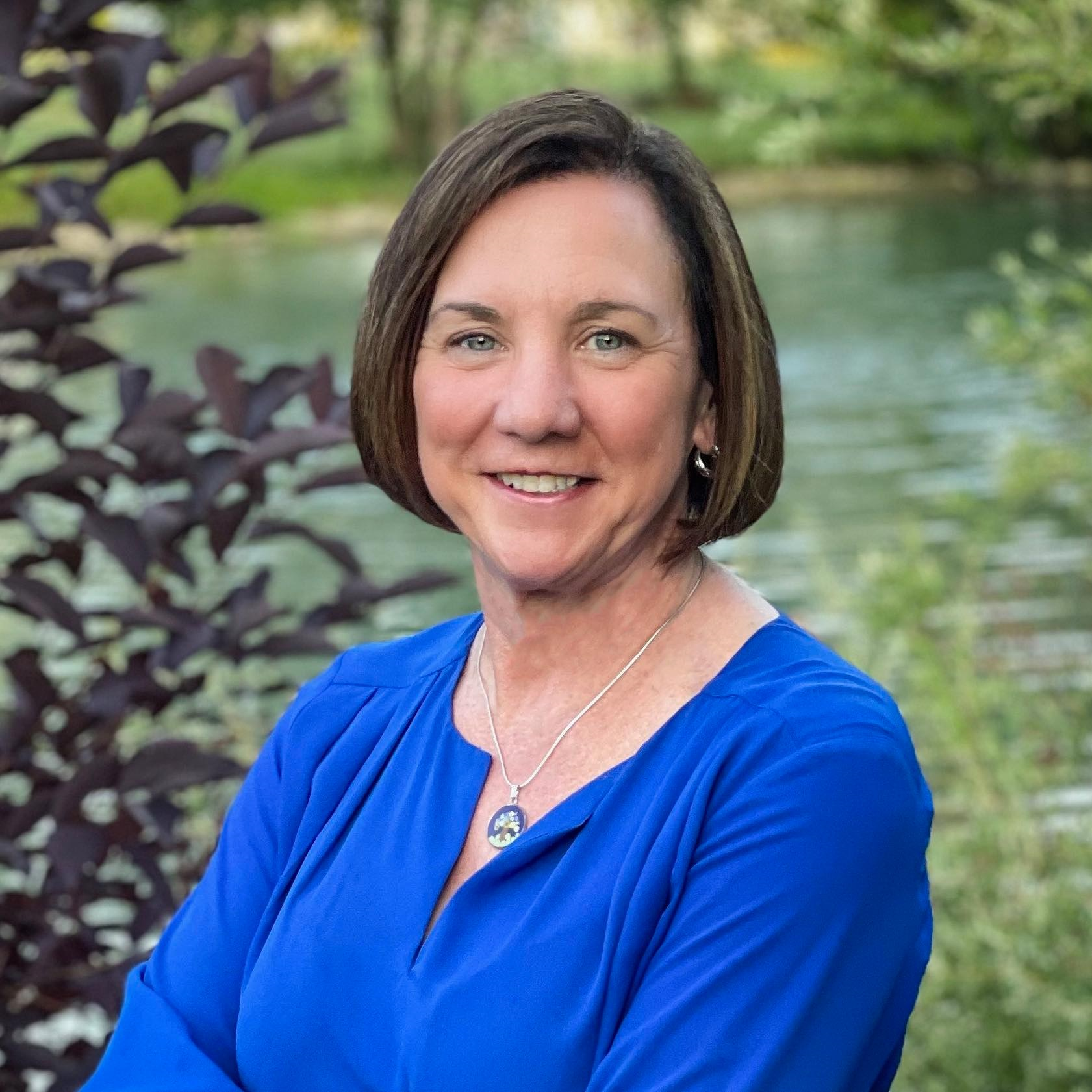
The National Head Start Association’s Winter Leadership Institute came at an important time for our field.
Across the country — and here in Ohio — programs are managing workforce shortages, rising costs, and uncertainty about federal funding. Those aren’t abstract policy debates. They show up every day in our classrooms, our staffing plans, and the families who depend on us.
That reality shaped every conversation in Washington.
Being with other state Association leaders was a good reminder of what makes Head Start strong. This has always been a practical, roll-up-your-sleeves network. We share what’s working, learn from one another, and help each other solve problems. That steady, peer-to-peer leadership is how we keep moving forward, especially when conditions are tough.
What we heard consistently was simple: Head Start works.
It helps parents stay in the workforce. It gives children a strong start in school. And in many communities, it’s the only affordable, reliable option families have.
Seeing Parent Advocates meet directly with policymakers was a highlight for me. One mom shared how Head Start made it possible for her to reenter the workforce, knowing her child was safe, learning, and supported. Stories like that bring the work to life more clearly than any report ever could.
We also came prepared with the facts. Head Start programs are foundational in their communities — they are employers, early learning providers, and trusted anchors in every Ohio county. When we talk about funding or staffing, we’re talking about real classrooms, real jobs, and real families we know by name.
That’s why showing up consistently matters. Advocacy isn’t one trip or one meeting. It’s a steady relationship-building and clear, local voices helping policymakers understand what’s at stake.
I’m proud of how Ohio shows up in these spaces. Our directors, staff, and parents speak with credibility because they live this work every day.
As we move forward, our focus is simple: keep elevating local leaders and parent voices, keep sharing our results, and keep reminding and showing decision-makers why it’s so important to protect and strengthen Head Start.
Because we see it every day.
Head Start works for Ohio — and we will continue to boldly show up to make sure it stays strong for the families and communities that depend on it.